

 Client Portal


 01978 269 901
 info@healthcare-matters.com
Falls Prevention Equipment for Safer Homes & Care Settings | Healthcare Matters
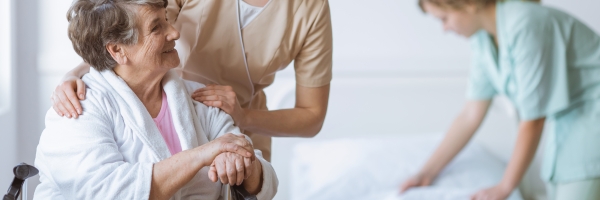
Falls are one of the leading causes of injury among older adults in the UK, yet many are preventable with the right support and equipment. According to a recent report from the National Institute for Health and Care Excellence (NICE), around one-third of adults aged 65 and over fall each year, with rates increasing to nearly half of those aged 80 and above. Falls can result in pain, injury, loss of independence, and hospitalisation, highlighting the importance of prevention.
At Healthcare Matters, we provide practical solutions that improve safety while helping people maintain independence and confidence. Whether it’s a stairlift, specialist seating, bathroom adaptation, or moving and handling equipment, the right support can make all the difference
Why Falls Prevention Matters
Falls are more than just accidents; they are a serious public health concern. NICE guidance emphasises that personalised risk assessments, including home hazard checks and professional advice, can significantly reduce falls risk. Factors like poor lighting, loose rugs, uneven flooring, and mobility challenges all contribute to the risk.
By understanding these risks and taking proactive steps, older adults, families, and care providers can prevent injuries and maintain a safer, more independent lifestyle.
Understanding Falls Risk
Several factors increase the likelihood of falling:
-
Reduced balance or strength: Muscle weakness or conditions affecting coordination make slips more likely.
-
Mobility limitations: Difficulty walking, navigating stairs, or standing from chairs increases vulnerability.
-
Environmental hazards: Poor lighting, clutter, and uneven flooring create hidden dangers.
-
Medication or health conditions: Some medications or health issues can affect alertness, balance, or vision.
NICE guidance recommends that professionals such as occupational therapists perform comprehensive assessments to identify these risks and suggest interventions tailored to each individual’s needs. This may include equipment, exercise programmes, or environmental adaptations.
Equipment That Makes a Difference
Stairlifts and Ramps
Stairs and uneven entrances are common sources of falls at home. Stairlifts allow safe movement between floors, while ramps provide secure access to doors and outdoor areas. For short-term needs, some solutions are available to rent, offering flexibility and convenience.
Specialist Seating
Chairs designed for correct posture and easy transfers reduce strain and improve safety. Adjustable height, supportive armrests, and firm seating surfaces make getting in and out safer, especially for those with limited mobility.
Grab Rails, Handholds, and Bathroom Adaptations
Bathrooms, hallways, and other areas prone to slips benefit greatly from well-placed grab rails. These small additions provide stability and confidence, reducing the likelihood of falls during daily routines.
Moving and Handling Equipment
Ceiling hoists, gantry systems, and transfer aids protect both the person being assisted and their carers. These solutions are particularly important in care homes or for individuals who require regular assistance moving between surfaces.
Tip: According to NICE, using appropriate equipment is a key part of a multi-faceted strategy to prevent falls, alongside exercise, home hazard management, and professional guidance.
Combining Equipment with Other Preventive Measures
Equipment works best alongside other preventive strategies:
-
Exercise and strength training help improve balance and mobility.
-
Proper footwear reduces slips.
-
Environmental checks — ensure clear pathways, remove loose rugs, and improve lighting.
-
Professional assessments identify individual risks and recommend tailored interventions.
Combining these strategies creates a safer, more supportive environment for older adults and people at higher risk.
Who Can Help You Choose the Right Equipment
Choosing the right equipment can be overwhelming. Healthcare Matters can work with occupational therapists and physiotherapists to advise on the best solutions for each individual.
At Healthcare Matters, we offer:
-
Assessments to identify specific risks and needs
-
Equipment supply and installation
-
Training and guidance to ensure safe use
-
Short-term rentals for temporary needs
This approach aligns with NICE guidance, which recommends both professional assessment and personalised equipment solutions to effectively reduce fall risk and support independence.
Conclusion
Preventing falls doesn’t have to be complicated. With the right equipment and a proactive approach, you can significantly reduce the risk of injury while supporting independence and confidence at home or in care environments.
Explore our range of stairlifts, modular ramps, specialist seating, pressure care equipment, and moving & handling equipment, or contact our team to book an assessment.
Written by Katherine Matthias, Healthcare Matters